


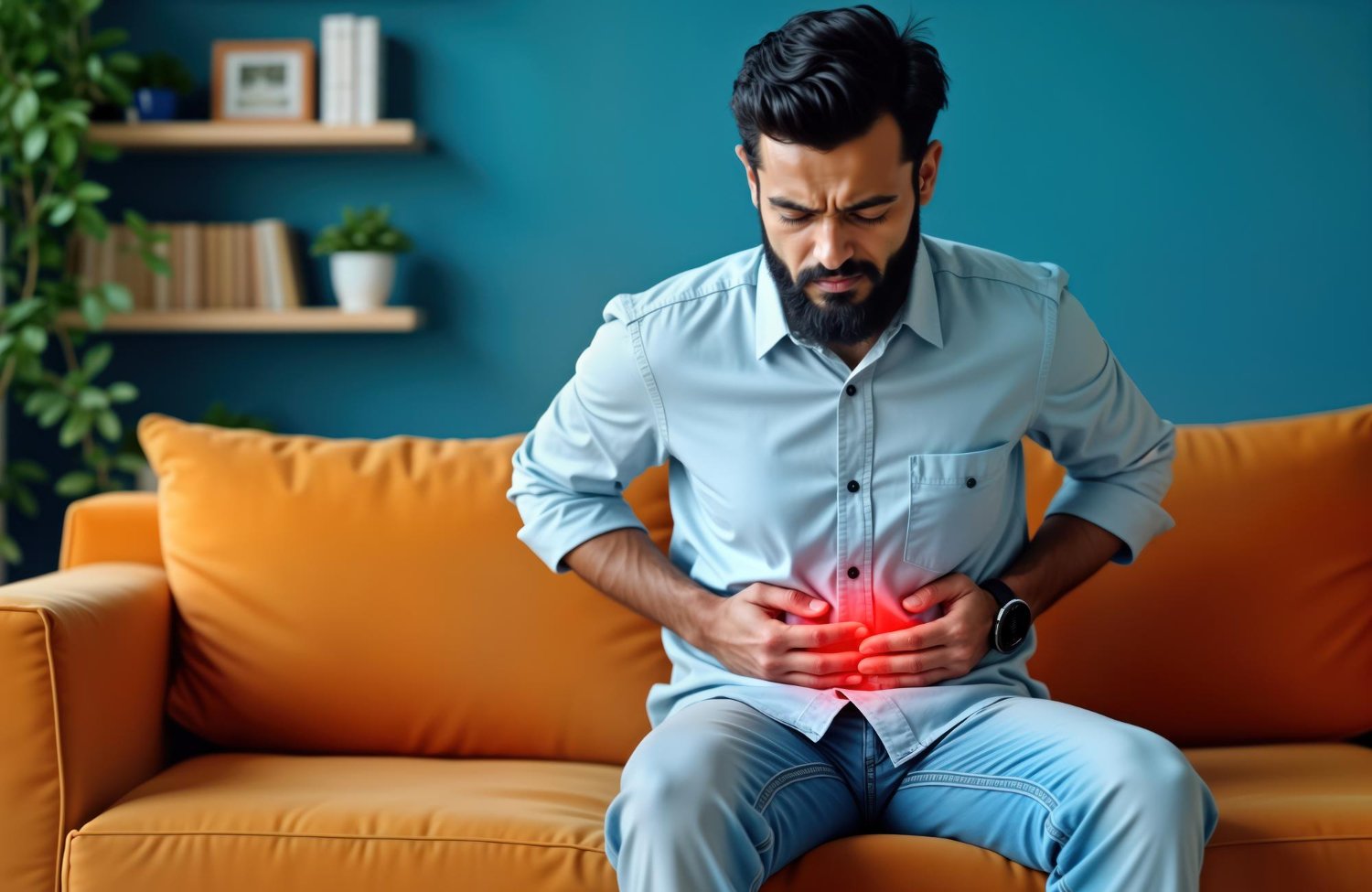
Abdominal pain is a common symptom that can range from mild discomfort to severe, sharp pain. It may be related to digestive issues, infections, inflammation, or other underlying gastrointestinal conditions.
A careful evaluation is important to identify the cause and provide appropriate treatment, especially when pain is persistent, recurrent, or associated with other symptoms.
Common Symptoms
Depending on the cause, abdominal pain may be accompanied by:
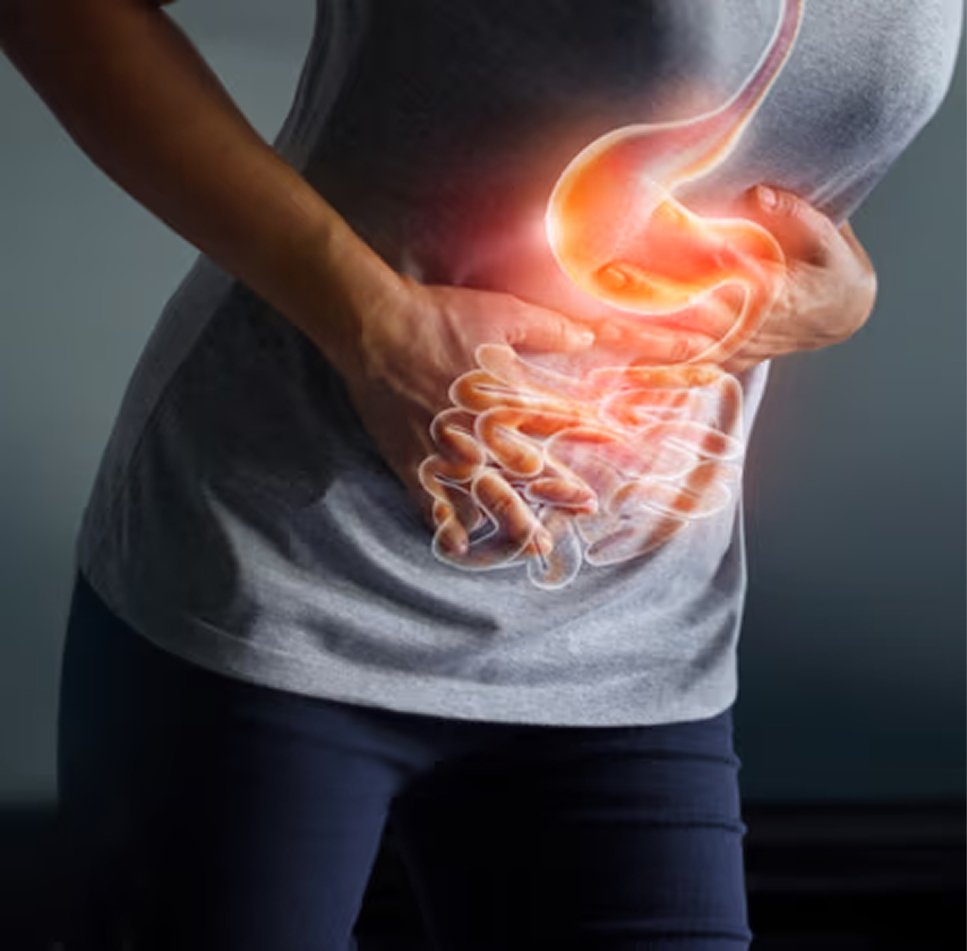
- Bloating or abdominal distension
- Nausea or vomiting
- Change in bowel habits
- Burning or cramping pain
- Pain that worsens after meals
Causes & Diagnosis
Causes can range from simple indigestion and gas to more serious issues like ulcers, gallstones, pancreatitis, appendicitis, or bowel diseases.
Cause
Primary Causes
Dietary triggers, infections, inflammation, gallbladder or pancreatic problems, and functional bowel disorders
Diagnosis
Diagnostic Methods
Clinical examination, blood tests, ultrasound, endoscopy, CT scan or MRI when indicated
Treatment
Treatment Approach
Targeted treatment of the underlying cause, dietary modification, pain relief, and regular follow‑up when required
Patient Outcomes
With timely diagnosis and appropriate management, most causes of abdominal pain can be effectively treated, improving comfort and quality of life.
- Relief from recurrent abdominal discomfort
- Improved digestion and bowel habits
- Reduced need for emergency visits
- Better understanding of dietary and lifestyle triggers
Persistent or severe abdominal pain should never be ignored and warrants specialist evaluation to rule out serious conditions.
Frequently asked question
You should seek medical help if pain is severe, persistent, associated with fever, vomiting, weight loss, or blood in stool.
Yes, in some cases it may indicate appendicitis, gallstones, ulcers, or other serious problems that need prompt treatment.
No, while gas and acidity are common, many other conditions can cause pain and must be evaluated by a specialist.
Yes, a balanced diet, adequate hydration, regular exercise, and avoiding self‑medication can significantly reduce digestive discomfort.