


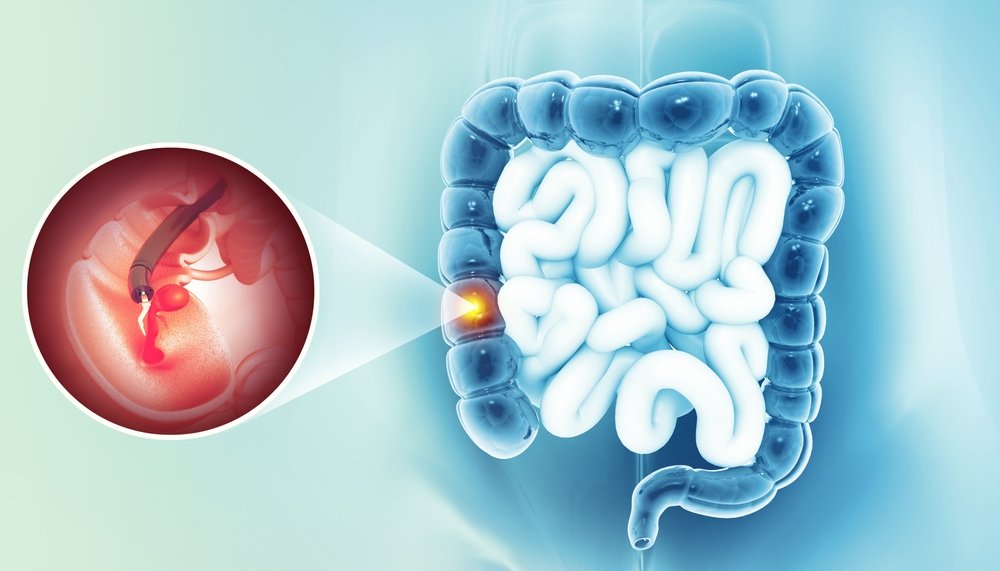
Colonoscopy is a minimally invasive camera‑based examination of the large intestine and rectum, used to diagnose and treat a wide range of lower GI problems.
It is the gold‑standard test for colorectal cancer screening, evaluation of bleeding, chronic diarrhoea, and long‑standing change in bowel habits.
When is Colonoscopy Needed?
Your doctor may advise colonoscopy if you have:
- Blood in stool or black stools
- Unexplained weight loss or anaemia
- Long‑standing diarrhoea or constipation
- Family history of colorectal cancer or polyps
- Abnormal CT/ultrasound or previous polyp follow‑up
Preparation & Procedure
Good bowel preparation is essential for a successful colonoscopy and accurate visualisation of the colon.
Preparation
Before the Test
Special laxative solution, temporary change to clear‑liquid diet, and adjustment of medicines like blood thinners as advised.
During
What Happens
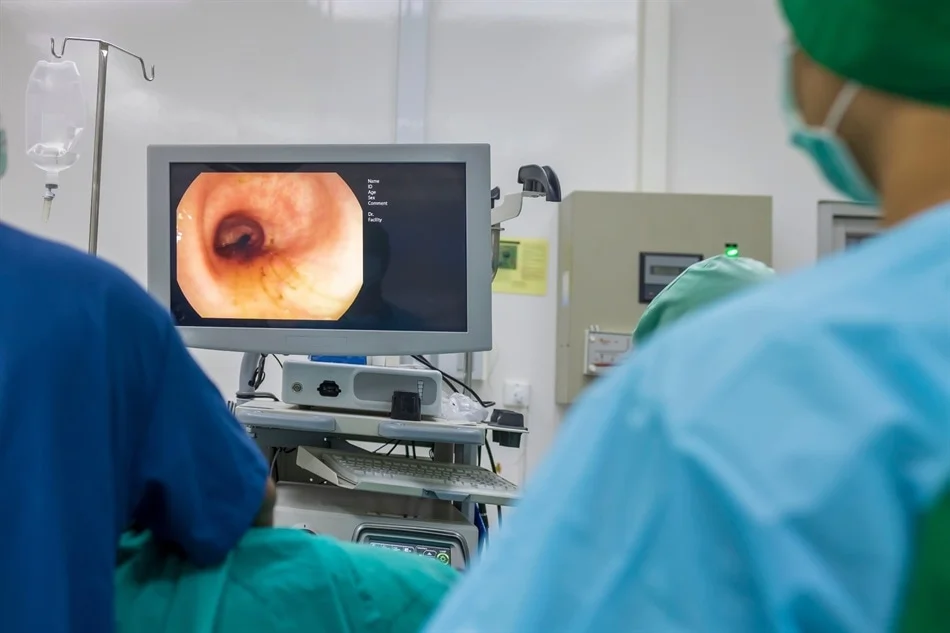
A flexible scope is gently inserted through the rectum under sedation; polyps can be removed and biopsies taken during the same sitting.
Aftercare
Recovery
Mild bloating or gas is common; you can usually go home the same day and resume normal diet as advised.
Patient Benefits
Colonoscopy not only detects disease early but can also prevent cancer by removing pre‑cancerous polyps before they turn malignant.
- Accurate assessment of bleeding, diarrhoea, and chronic symptoms
- On‑table removal of polyps and some early lesions
- Guided biopsies for inflammatory bowel disease or infections
- Evidence‑based plan for future surveillance intervals
Our unit follows international guidelines for colonoscopy screening and polyp surveillance tailored to your individual risk profile.
Frequently asked question
For average‑risk individuals, screening often begins around age 45–50; those with family history may need it earlier.
Most patients are comfortable because the procedure is usually done under sedation; you may feel mild bloating afterwards.
The interval depends on findings—normal exams may be repeated after many years, while polyps or disease need closer follow‑up.
Stool tests and CT colonography exist, but they cannot remove polyps or take biopsies; colonoscopy remains the most comprehensive option.