


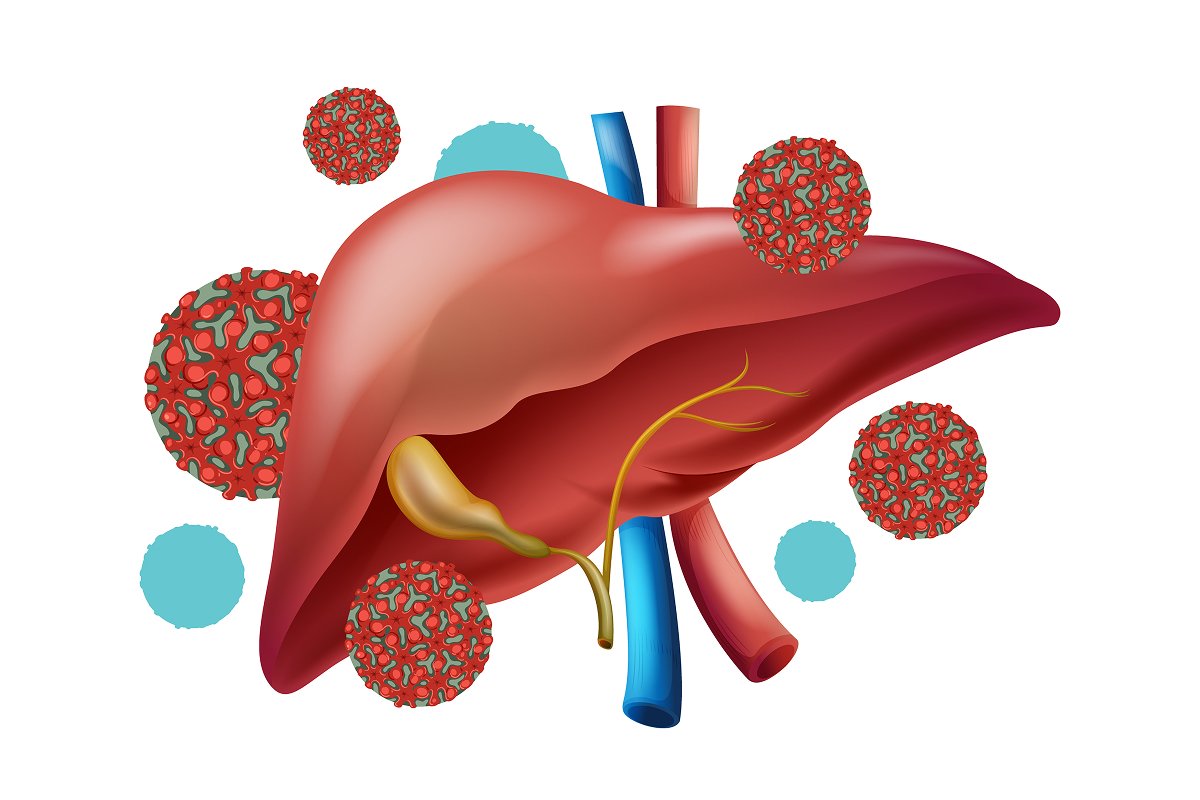
Liver diseases range from fatty liver and hepatitis to cirrhosis and liver cancer. Early‑stage disease may be silent, while advanced disease can lead to jaundice, fluid retention, and serious complications.
With specialised evaluation and multidisciplinary care, many liver conditions can be stabilised or reversed, especially when detected early.
Common Symptoms
Symptoms depend on the type and stage of liver disease and may include:
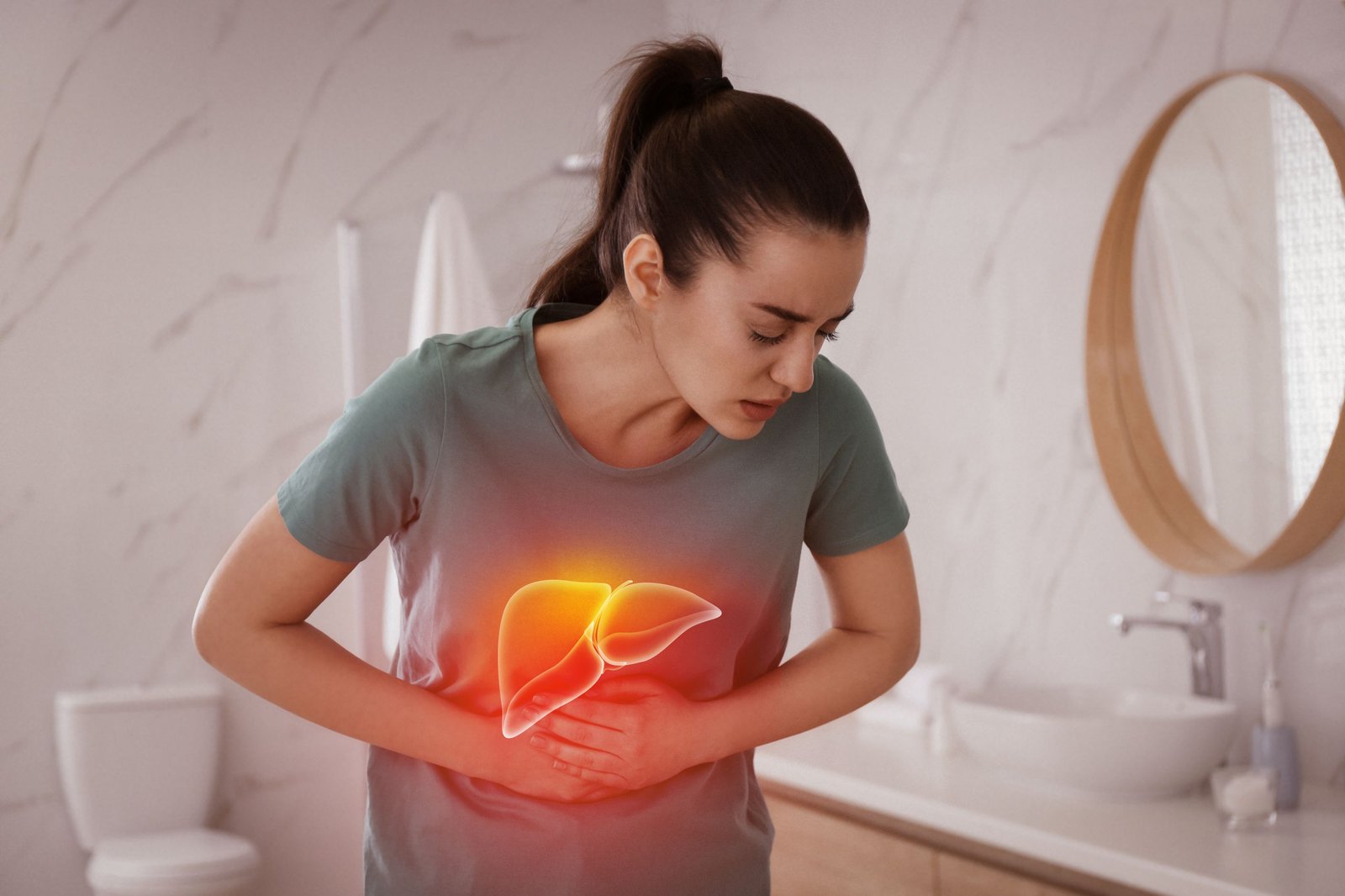
- Fatigue and weakness
- Yellowing of eyes or skin (jaundice)
- Loss of appetite and weight loss
- Swelling of abdomen or legs
- Easy bruising or dark urine
Causes & Diagnosis
Liver disease can be caused by infections, alcohol, obesity, autoimmune disease, genetic conditions, or long‑term medication use.
Cause
Primary Causes
Viral hepatitis, fatty liver, alcohol‑related damage, autoimmune or cholestatic liver disease
Diagnosis
Diagnostic Methods
Blood tests, ultrasound, FibroScan, CT/MRI, endoscopy, and sometimes liver biopsy
Treatment
Treatment Approach
Cause‑directed medicines, lifestyle change, management of complications, and liver transplantation evaluation when required
Patient Outcomes
With ongoing specialist care, patients can maintain better liver function, reduced hospitalisations, and improved long‑term survival.
- Slowing or reversal of liver damage in early stages
- Better control of fluid retention and complications
- Timely planning for advanced therapies where needed
- Improved energy and appetite
Regular follow‑up and adherence to medical advice are key to preventing disease progression.
Frequently asked question
Yes, many liver conditions can stabilise or improve when the cause is treated early and risk factors are controlled.
Transplant is considered in advanced cirrhosis or liver failure when other treatments can no longer maintain adequate function.
No, with weight control, sugar and cholesterol management, and regular monitoring, many patients prevent progression to cirrhosis.
Avoiding alcohol, maintaining healthy weight, timely vaccination, safe medication use, and regular check‑ups are crucial.