


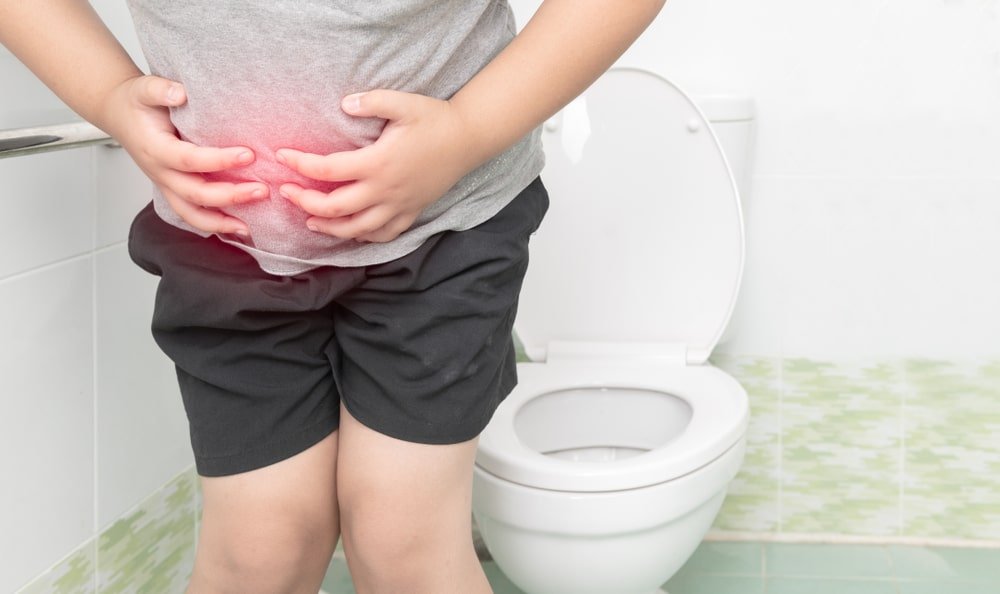
Constipation refers to infrequent or difficult passage of stools, often associated with straining, hard stools, or a feeling of incomplete evacuation.
While occasional constipation is common, persistent symptoms should be assessed to rule out underlying conditions and to prevent complications such as fissures or piles.
Common Symptoms
Constipation may present with:
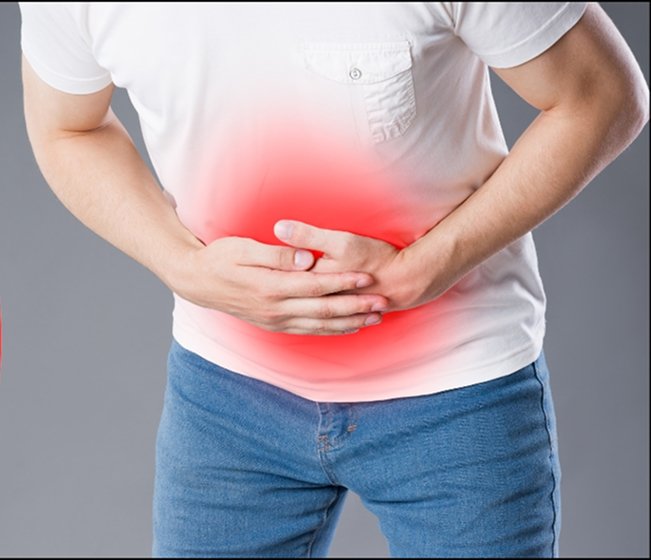
- Less than three bowel movements per week
- Hard, dry, or lumpy stools
- Straining or pain while passing stools
- Bloating or abdominal discomfort
- Sensation of incomplete emptying
Causes & Diagnosis
Common causes include low‑fibre diet, inadequate water intake, sedentary lifestyle, medicines, hormonal issues, or structural problems in the colon.
Cause
Primary Causes
Poor dietary fibre, insufficient fluids, lack of physical activity, certain medicines, and bowel motility disorders
Diagnosis
Diagnostic Methods
Clinical assessment, blood tests, stool tests, colonoscopy or imaging when alarm features are present
Treatment
Treatment Approach
Diet and lifestyle modification, safe long‑term laxatives where appropriate, treatment of underlying causes, and bowel‑training strategies
Patient Outcomes
Most patients gain lasting relief from constipation with a structured plan and regular guidance.
- More regular, comfortable bowel movements
- Reduced straining and anal pain
- Improved abdominal comfort and bloating
- Better confidence in daily routine and travel
Avoiding overuse of over‑the‑counter laxatives and seeking expert advice prevents long‑term colon problems.
Frequently asked question
Anything from once in two days to twice daily may be normal if there is no straining, pain, or discomfort.
Sudden change in bowel habits, blood in stool, weight loss, or severe abdominal pain should be evaluated promptly.
Certain laxatives are safe even for long‑term use under medical supervision; self‑medication, however, can be risky.
High‑fibre diet, 2–3 litres of water daily (unless restricted), regular exercise, and not ignoring the urge to pass stools are key steps.