


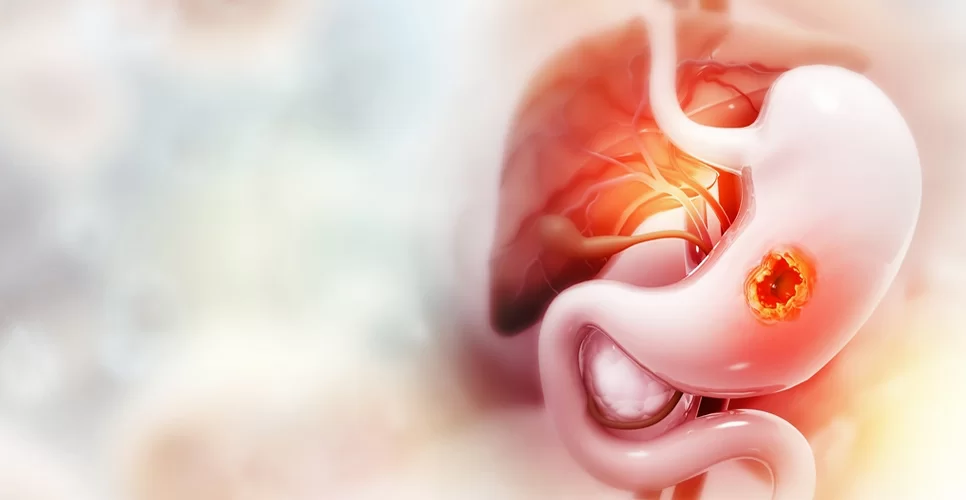
Gastritis is inflammation of the stomach lining, commonly presenting with upper abdominal pain, burning, or discomfort, especially after meals.
It may be acute or chronic and can be related to infection, medicines, alcohol, stress, or autoimmune causes. Early diagnosis helps prevent ulcers and long‑term complications.
Common Symptoms
Patients with gastritis may experience:
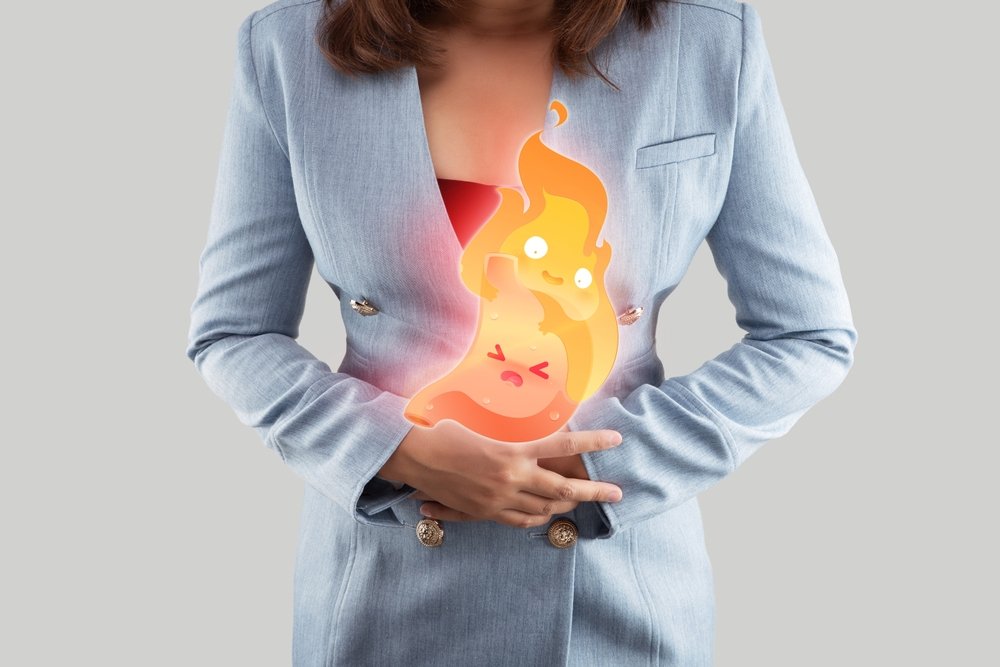
- Burning or gnawing pain in upper abdomen
- Acidity, belching, or sour taste
- Nausea, sometimes vomiting
- Early fullness or loss of appetite
- Black stools or vomiting of blood in severe cases
Causes & Diagnosis
Major causes include H. pylori infection, pain‑killer (NSAID) overuse, alcohol, bile reflux, stress, and autoimmune conditions.
Cause
Primary Causes
H. pylori bacteria, NSAIDs, alcohol, smoking, and severe physical stress
Diagnosis
Diagnostic Methods
Upper GI endoscopy, H. pylori tests (breath, stool, biopsy), and blood tests
Treatment
Treatment Approach
Acid‑suppressing medicines, H. pylori eradication, avoiding irritant drugs and foods, and lifestyle modification
Patient Outcomes
Most gastritis patients experience quick relief and mucosal healing with proper treatment and dietary care.
- Reduced burning and acidity
- Improved appetite and meal tolerance
- Lower risk of ulcer formation and bleeding
- Better overall digestive comfort
Regular follow‑up ensures healing is complete and helps prevent recurrence of symptoms.
Frequently asked question
Endoscopy is recommended if symptoms are severe, persistent, associated with alarm signs, or not improving with initial treatment.
No, gastritis is inflammation of the lining, while an ulcer is a deeper, well‑defined wound; untreated gastritis can progress to ulcer.
Stress can worsen acidity and pain; however, evaluation is needed to rule out H. pylori and other causes.
Small, frequent meals; avoiding spicy, oily, and very hot foods; cutting down on tea, coffee, and soda; and not lying down soon after meals are very helpful.