


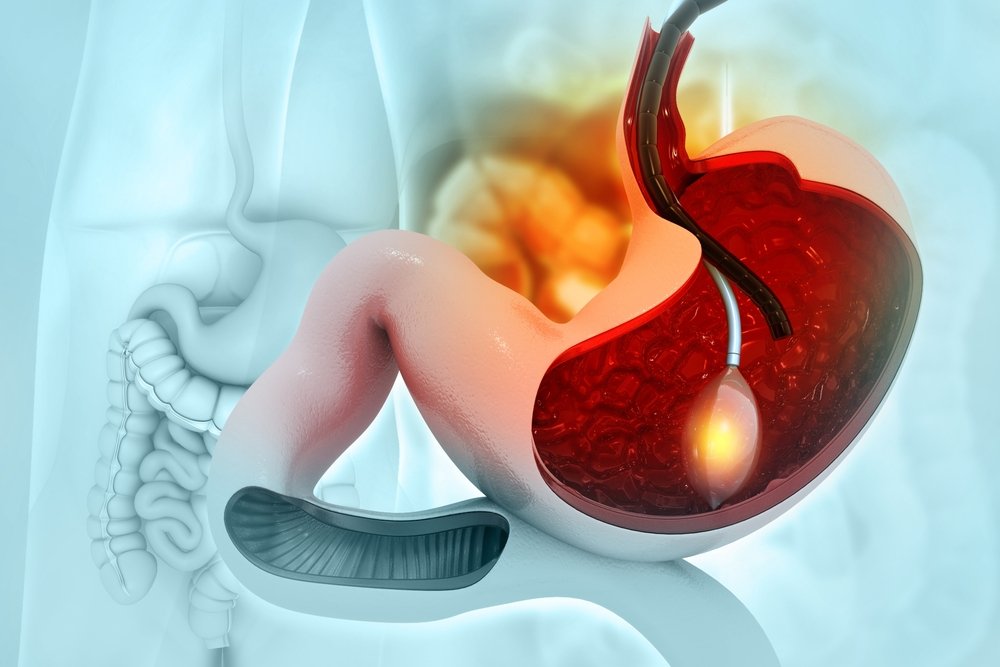
Upper GI endoscopy is a safe, minimally invasive procedure that allows direct visualisation of the food pipe, stomach, and first part of the small intestine using a flexible camera.
It helps diagnose and treat problems such as acidity, ulcers, bleeding, difficulty swallowing, and suspected cancers, often avoiding the need for major surgery.
When is Endoscopy Advised?
Endoscopy may be recommended if you have:
- Persistent acidity or upper abdominal pain
- Difficulty or pain while swallowing
- Vomiting, weight loss, or loss of appetite
- Black stools or vomiting of blood
- Abnormal scan or X‑ray of upper abdomen
Procedure & Safety
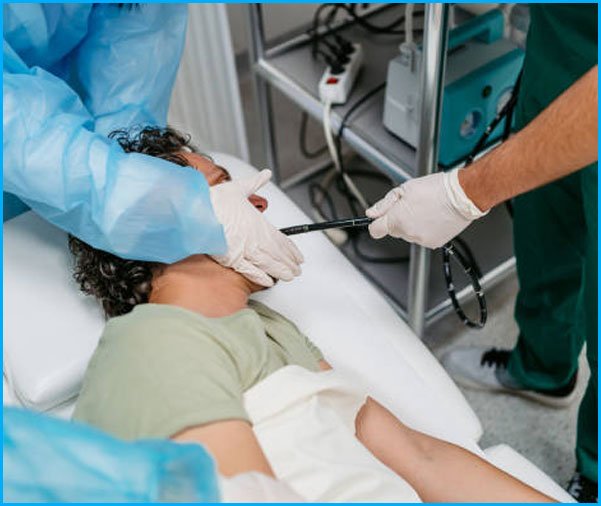
Endoscopy is usually done as a day‑care procedure under local anaesthetic spray and, when needed, short sedation for comfort.
Preparation
Before the Procedure
Fasting for 6–8 hours, reviewing current medicines (especially blood thinners), and basic blood tests when required.
During
What to Expect
A thin flexible scope is gently passed through the mouth to examine and, if needed, take biopsies or treat bleeding, polyps, or narrowing.
Aftercare
Recovery & Follow‑up
Short observation after the test, same‑day discharge in most cases, and a clear explanation of findings and next steps.
Patient Benefits
Endoscopy provides quick, accurate diagnosis and often allows treatment in the same sitting, reducing the need for major operations.
- Early detection of ulcers, cancers, and bleeding sources
- Ability to stop bleeding or dilate strictures endoscopically
- Minimal discomfort with rapid return to routine
- Personalised further treatment based on direct visual findings
Our team follows stringent safety protocols and uses advanced endoscopic equipment to ensure a smooth and safe experience.
Frequently asked question
No, most patients feel only mild throat discomfort; sedation can be used to make the procedure more comfortable.
The actual procedure usually takes 10–20 minutes; with preparation and observation, you may spend 1–2 hours at the hospital.
Complications are rare; mild throat irritation is common, while bleeding or perforation are very uncommon and are carefully monitored for.
Most patients can start sipping water after 1–2 hours and resume light meals and routine activities the same or next day, as advised.