


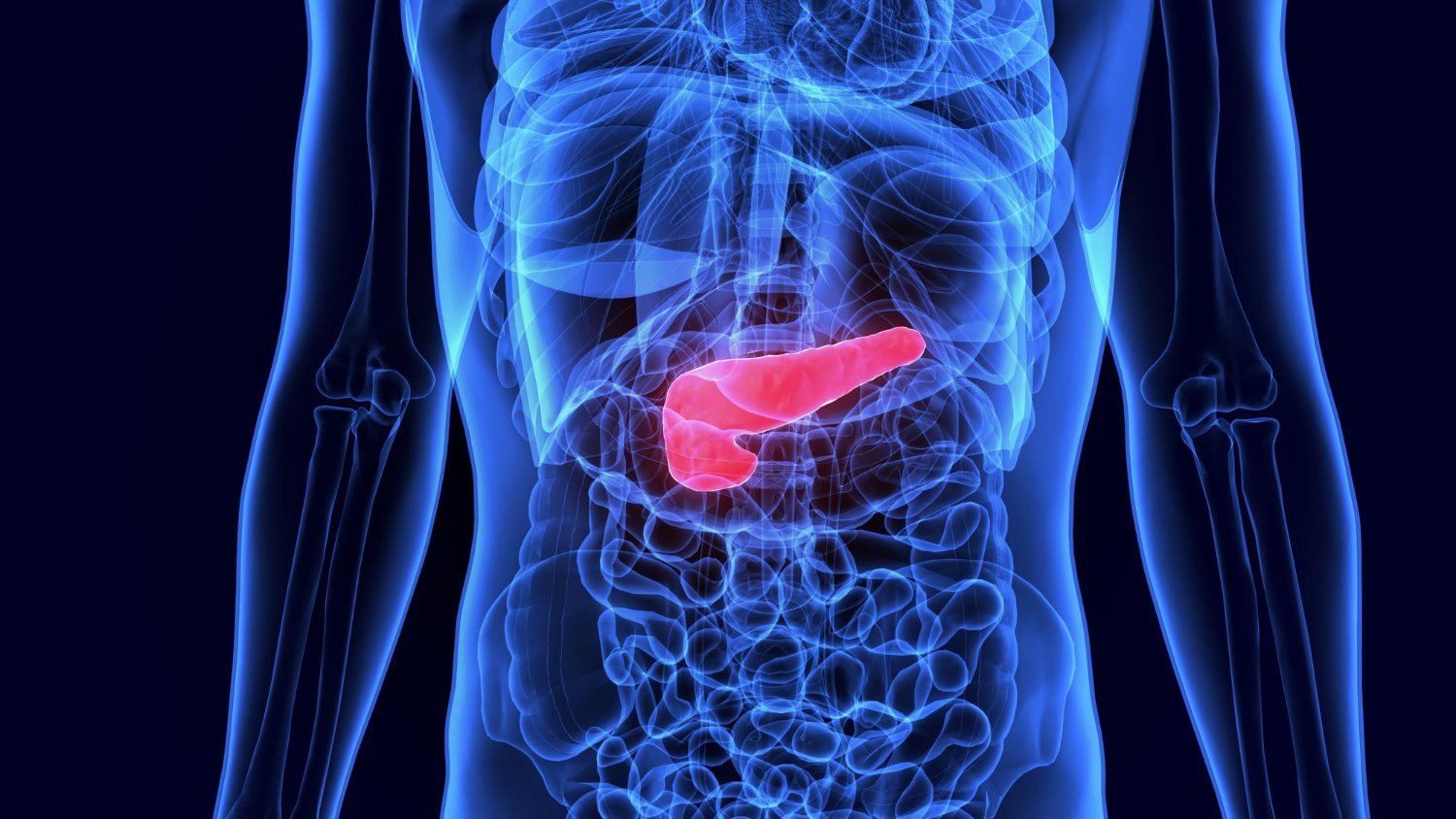
Pancreatitis is inflammation of the pancreas and can be acute (sudden, severe pain) or chronic (long‑standing). It often presents with severe upper abdominal pain radiating to the back.
This condition may be related to gallstones, alcohol intake, high triglycerides, medicines, or genetic and autoimmune causes, and frequently requires hospital‑based care.
Common Symptoms
Typical symptoms include:
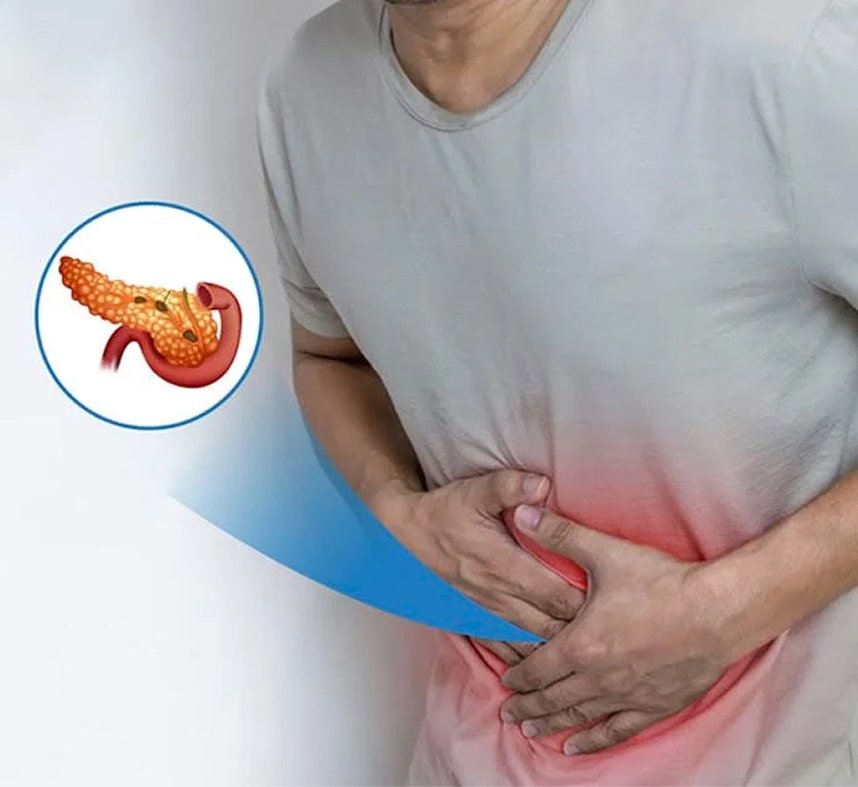
- Severe upper abdominal pain, often radiating to back
- Nausea and vomiting
- Abdominal tenderness and bloating
- Fever or rapid pulse in acute attacks
- Weight loss and oily stools in chronic disease
Causes & Diagnosis
Identifying the underlying cause is critical to prevent recurrent attacks and long‑ term damage.
Cause
Primary Causes
Gallstones, alcohol, high triglycerides, certain medicines, genetic and autoimmune disorders
Diagnosis
Diagnostic Methods
Blood tests (amylase, lipase), ultrasound, CT/MRI, MRCP/ERCP, and endoscopic ultrasound when needed
Treatment
Treatment Approach
Hospital‑based pain control, nutrition and fluid support, endoscopic or surgical treatment of gallstones, and long‑term pancreatic care
Patient Outcomes
With timely expert care, many patients recover fully from acute episodes and can significantly reduce recurrence risk.
- Relief from severe pain and acute inflammation
- Lower risk of recurrent attacks
- Better nutritional status and weight maintenance
- Improved pancreatic function where possible
Chronic pancreatitis requires long‑term follow‑up for pain, diabetes, and pancreatic insufficiency management.
Frequently asked question
No, but pancreatitis is an important cause of severe upper abdominal pain and must be ruled out with proper tests.
Severe acute pancreatitis can be serious and may require ICU care, which is why early diagnosis and monitoring are crucial.
Yes, complete abstinence from alcohol is essential and can significantly slow progression and reduce attacks.
Dietary counselling, enzyme supplements, diabetes monitoring, and periodic imaging may be required depending on severity.