


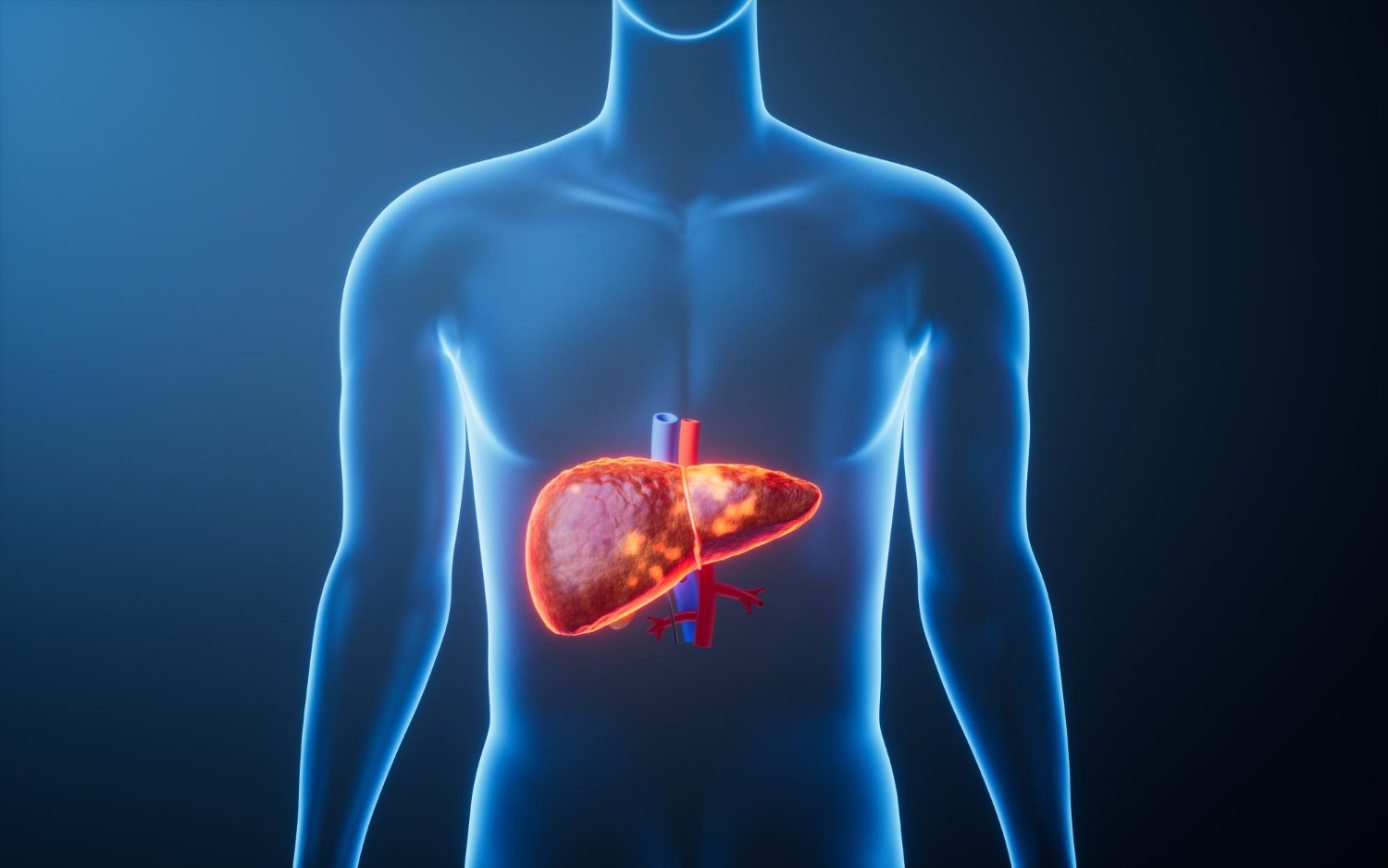
Liver function assessment combines specialised blood tests, imaging, and sometimes FibroScan or biopsy to understand how well your liver is working and to detect early damage.
Based on these results, an individualised treatment plan is created to control the underlying cause, protect remaining liver function, and prevent complications.
When to Check Liver Function
Liver evaluation is recommended if you have:

- Abnormal liver function tests (LFTs) on routine check‑up
- Jaundice, fatigue, or unexplained weight loss
- History of hepatitis, fatty liver, or alcohol overuse
- Swelling of legs or abdomen
- Long‑term medication use affecting the liver
Evaluation & Management
Our structured protocol helps pinpoint the cause and stage of liver disease and guides evidence‑based treatment.
Assess
Comprehensive Work‑up
Detailed history, LFTs, viral markers, ultrasound/FibroScan, and other tests to grade inflammation and fibrosis.
Treat
Cause‑Directed Therapy
Lifestyle and weight optimisation, antiviral or immune therapy, abstinence from alcohol, and medicines to protect the liver.

Monitor
Long‑Term Follow‑up
Regular blood tests and scans to track improvement, detect early complications, and time advanced therapies if ever required.

Patient Outcomes
Many liver problems are reversible or stabilisable when identified early and managed in a structured way.
- Improved liver tests and symptoms
- Delay or prevention of progression to cirrhosis
- Better control of associated conditions like diabetes and obesity
- Timely planning for transplant evaluation if needed
We work closely with you on long‑term lifestyle and medical plans to safeguard your liver health.
Frequently asked question
Not always; however, even mild changes should be evaluated to rule out early liver or metabolic problems.
The interval depends on the diagnosis—ranging from every few months in active disease to annually in stable patients.
The liver has excellent capacity to heal in early stages; advanced scarring (cirrhosis) is less reversible but can often be stabilised.
Maintaining healthy weight, avoiding alcohol and unnecessary medicines, controlling diabetes and cholesterol, and regular exercise are key.