


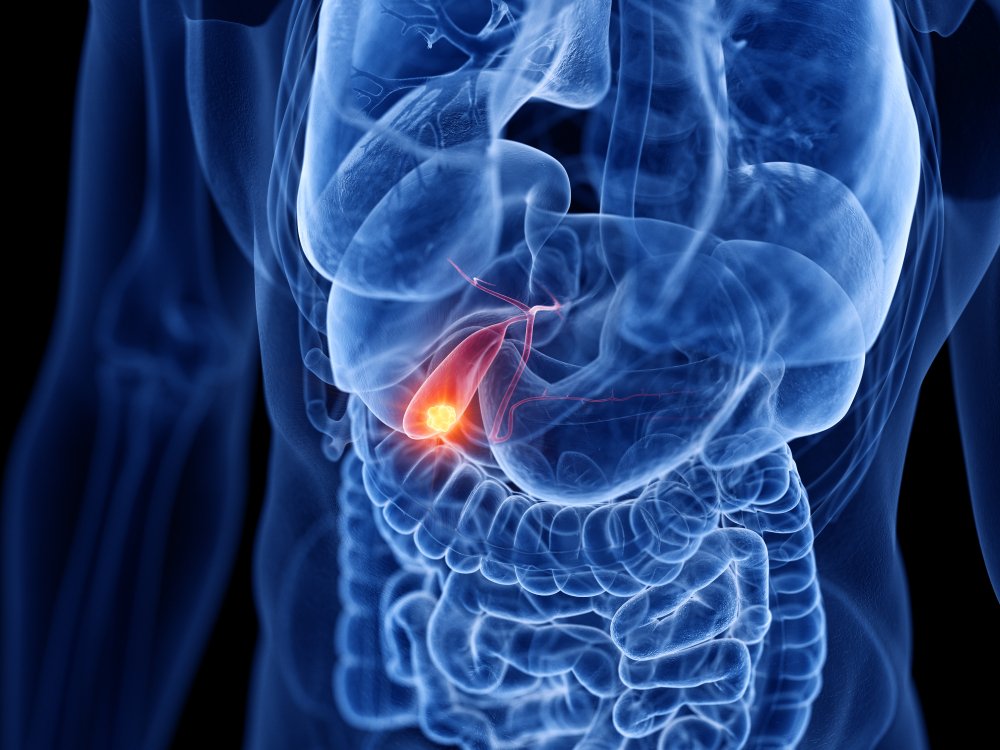
Gall bladder problems, most often due to gallstones, can cause severe pain, infection, or pancreatitis if not treated at the right time.
Early diagnosis and planned key‑hole (laparoscopic) surgery, when needed, provide excellent outcomes with quick recovery.
Common Symptoms
Typical symptoms related to gall bladder stones or inflammation include:
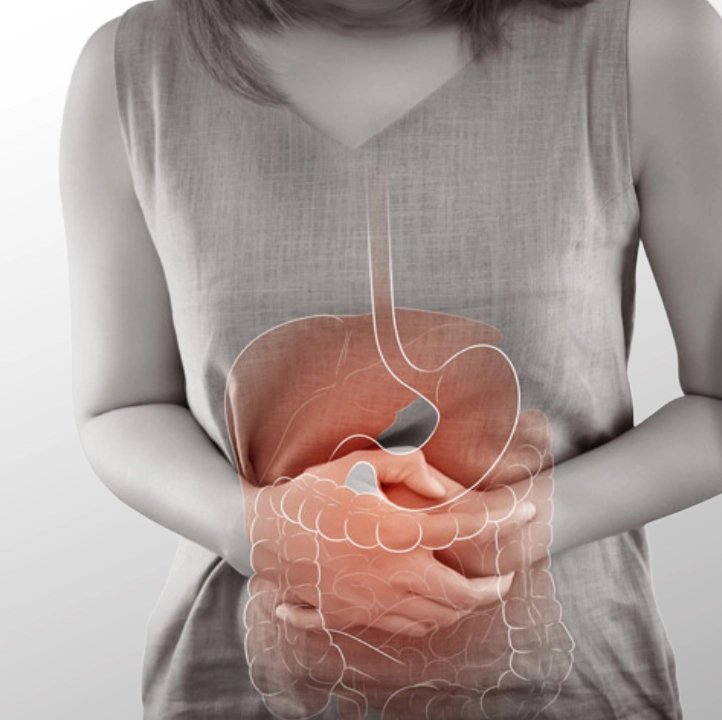
- Sudden pain in upper right or middle abdomen
- Pain after heavy or fatty meals
- Nausea, vomiting, or bloating
- Fever or chills during infection (cholecystitis)
- Jaundice if a stone blocks the bile duct
Causes & Diagnosis
Gallstones form from imbalances in bile components; risk increases with age, obesity, certain diets, rapid weight loss, and family history.
Cause
Primary Causes
Cholesterol or pigment gallstones, bile stasis, obesity, rapid weight loss, and certain blood disorders
Diagnosis
Diagnostic Methods
Ultrasound abdomen, liver function tests, MRCP, endoscopic evaluation (ERCP) for common bile duct stones
Treatment
Treatment Approach
Laparoscopic cholecystectomy (gall bladder removal), ERCP for bile duct stones, and supportive care for infection or pancreatitis
Patient Outcomes
Minimally invasive surgery offers fast pain relief and very low recurrence of gall‑stone‑related problems.
- Relief from recurrent biliary pain
- Lower risk of gall bladder infection and pancreatitis
- Short hospital stay and early return to routine
- Very small scars with laparoscopic technique
Timely surgery is safer than waiting for repeated painful attacks or complications.
Frequently asked question
Symptomatic stones and those causing complications usually need surgery; silent stones may be observed in selected cases.
Medical dissolution is rarely effective and suited only for very select cases; surgery is the standard treatment for most patients.
Yes, most people live completely normal lives without a gall bladder, with only minor dietary adjustments initially.
Severe, continuous pain with fever, vomiting, or jaundice requires emergency evaluation.