


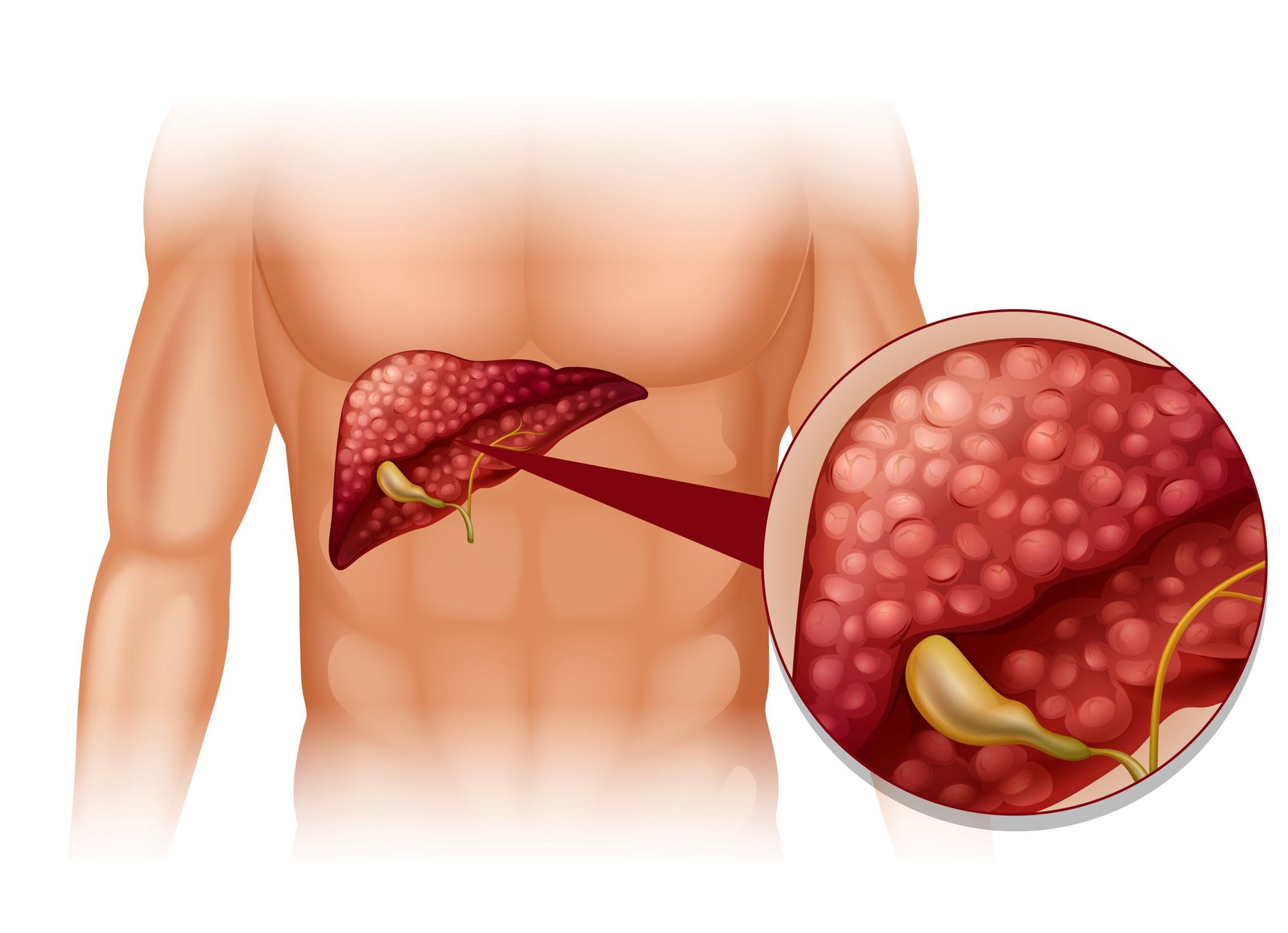
Fatty liver disease is a condition where excess fat accumulates in liver cells, affecting normal liver function. It is commonly linked to obesity, diabetes, unhealthy diet, and alcohol intake, and often develops without noticeable symptoms.
Early diagnosis and lifestyle changes play a crucial role in preventing disease progression. When managed timely, fatty liver disease is often reversible.
Common Symptoms
Many patients may remain asymptomatic in early stages. When symptoms occur, they may include:
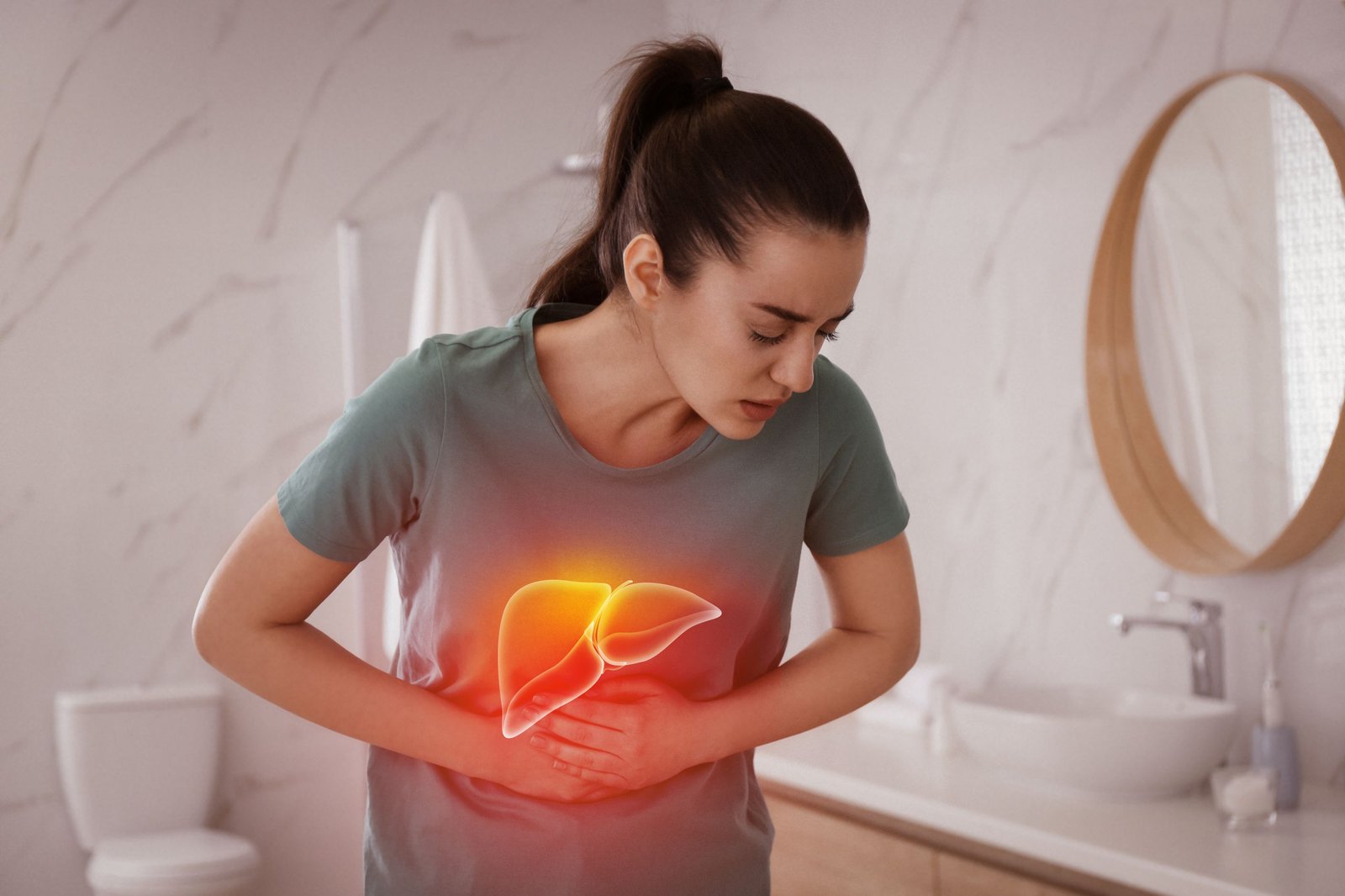
- Persistent fatigue and weakness
- Pain or heaviness in upper right abdomen
- Loss of appetite or nausea
- Abdominal bloating
- Unexplained weight gain
Causes & Diagnosis
Fatty liver develops due to metabolic and lifestyle factors and is often detected during routine health checkups.
Cause
Primary Causes
Obesity, diabetes, high cholesterol, alcohol intake, and sedentary lifestyle
Diagnosis
Diagnostic Methods
Blood tests, ultrasound, FibroScan, CT/MRI, and biopsy if required
Treatment
Treatment Approach
Weight loss, diet control, exercise, alcohol avoidance, and regular monitoring
Patient Outcomes
With timely intervention and lifestyle changes, patients experience significant improvement in liver health and overall wellbeing.
- Improved liver enzyme levels
- Reduced liver fat accumulation
- Better energy levels
- Lower risk of liver complications
Consistent follow-up and adherence to medical advice help prevent progression to serious liver diseases such as cirrhosis or liver failure.
Frequently asked question
No, many people do not experience symptoms initially.
If untreated, it may progress to cirrhosis or liver failure.
Yes, fatty liver is reversible in early stages with proper lifestyle changes.
Most cases are managed with lifestyle changes; medication is used when necessary.
Follow-up frequency depends on disease severity and doctor’s advice.