



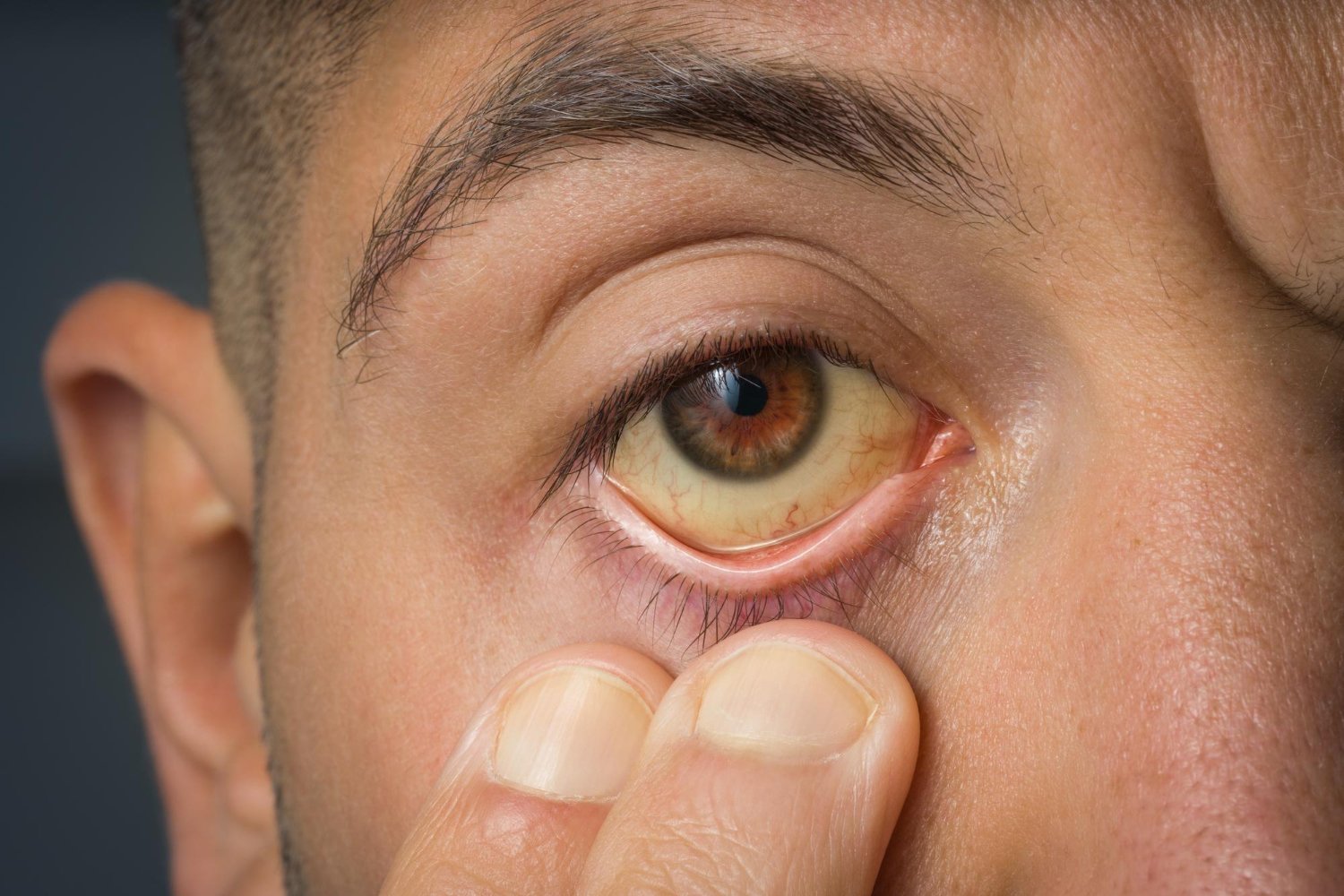
Jaundice is a yellow discolouration of the eyes and skin caused by raised bilirubin levels, and it is a sign of underlying liver, bile duct, or blood‑related disease.
Prompt evaluation is important to identify whether jaundice is due to hepatitis, obstruction, haemolysis, or other causes and to start appropriate treatment.
Common Symptoms
Along with yellow eyes and skin, patients may notice:
- Dark urine and pale stools
- Fatigue, nausea, and poor appetite
- Itching of the skin
- Abdominal discomfort or pain
- Fever or weight loss in some cases
Causes & Diagnosis
Jaundice can be pre‑hepatic (blood‑related), hepatic (liver disease), or post‑hepatic (bile duct blockage), and the investigations are tailored accordingly.
Cause
Primary Causes
Viral hepatitis, alcohol‑related liver disease, gallstones or tumours blocking bile ducts, and blood disorders
Diagnosis
Diagnostic Methods
Detailed blood tests, ultrasound, CT/MRI, MRCP, and sometimes endoscopic or biopsy‑based evaluation
Treatment
Treatment Approach
Cause‑specific treatment including antiviral therapy, endoscopic removal of stones, stenting of blocked ducts, or surgery where needed
Patient Outcomes
With rapid and accurate diagnosis, bilirubin levels usually improve quickly and many causes of jaundice are fully treatable.
- Resolution of yellow discolouration and itching
- Better appetite and energy levels
- Prevention of long‑term liver damage
- Timely management of serious causes such as obstruction or malignancy
Jaundice should always be taken seriously, especially in adults, and should not be treated only with home remedies.
Frequently asked question
No, jaundice can also be due to bile duct blockage or blood disorders; tests are needed to identify the exact cause.
No, professional evaluation is essential; diet helps recovery but does not replace medical treatment.
You should seek medical advice as soon as you notice yellowing, even if you feel otherwise well.
It depends on the cause; viral or obstructive jaundice may need long‑term follow‑up to ensure the liver remains healthy.