


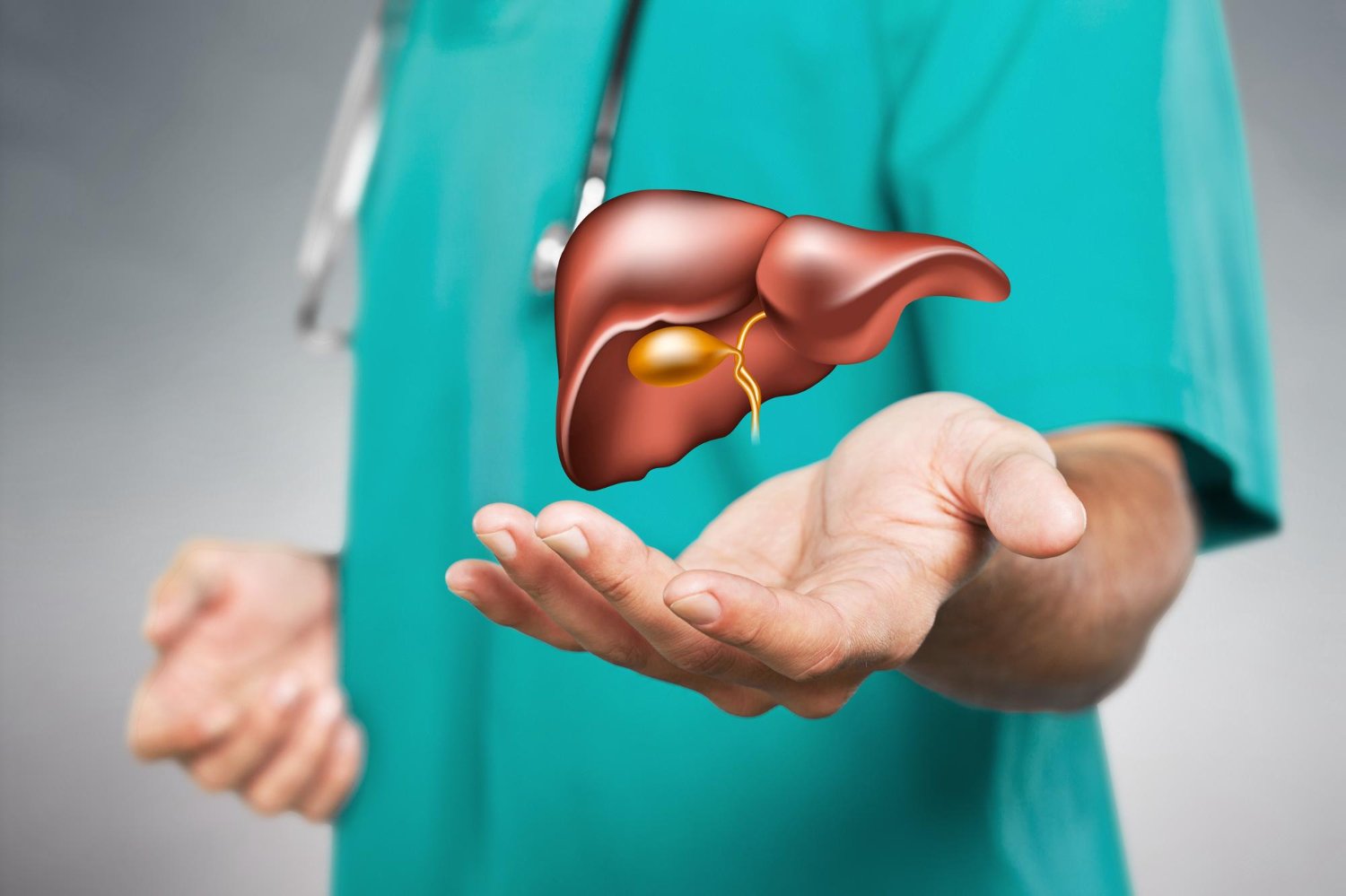
The Liver Care Clinic provides comprehensive evaluation and long‑term management for the full spectrum of liver conditions—from fatty liver and viral hepatitis to cirrhosis and complex hepatobiliary disease.
Care is coordinated through a multidisciplinary team to ensure that medical, endoscopic, interventional, and surgical options are considered at the right time.
Conditions We Manage
The clinic routinely manages:
- Fatty liver disease (NAFLD / NASH)
- Viral hepatitis B and C
- Alcohol‑related liver disease
- Cirrhosis and portal hypertension
- Liver tumours and cystic lesions
Clinic Services
We offer both diagnostic and therapeutic services tailored to each stage of liver disease.
Assess
Comprehensive Work‑up
Advanced blood tests, FibroScan, ultrasound/CT/MRI, and endoscopy to stage disease and assess fitness for various treatments.
Treat
Medical & Interventional Care
Antiviral therapy, portal pressure control, variceal banding, fluid management, and coordination with transplant centres when required.
Support
Lifestyle & Follow‑up
Dietary counselling, alcohol‑cessation support, vaccination, and regular monitoring to prevent decompensation and liver cancer.
Patient Outcomes
Structured liver care improves survival, reduces hospitalisations, and maintains a better quality of life, even in advanced disease.
- Early detection of complications like variceal bleeding or ascites
- Timely enrolment into transplant or interventional programs
- Better control of fatigue, appetite, and daily functioning
- Ongoing support for patients and families
If you have been diagnosed with any form of liver disease, enrolling in a dedicated liver care program is one of the most important steps you can take.
Frequently asked question
Follow‑up intervals range from 3–12 months depending on stage; advanced cirrhosis may need more frequent visits.
No, many patients remain stable for years with good medical management; transplant is considered only when function declines despite best care.
Completely stopping alcohol is critical in most chronic liver diseases and can dramatically improve outcomes.
Maintaining healthy weight, regular exercise, balanced diet, vaccination, and avoiding unnecessary medicines are key steps.